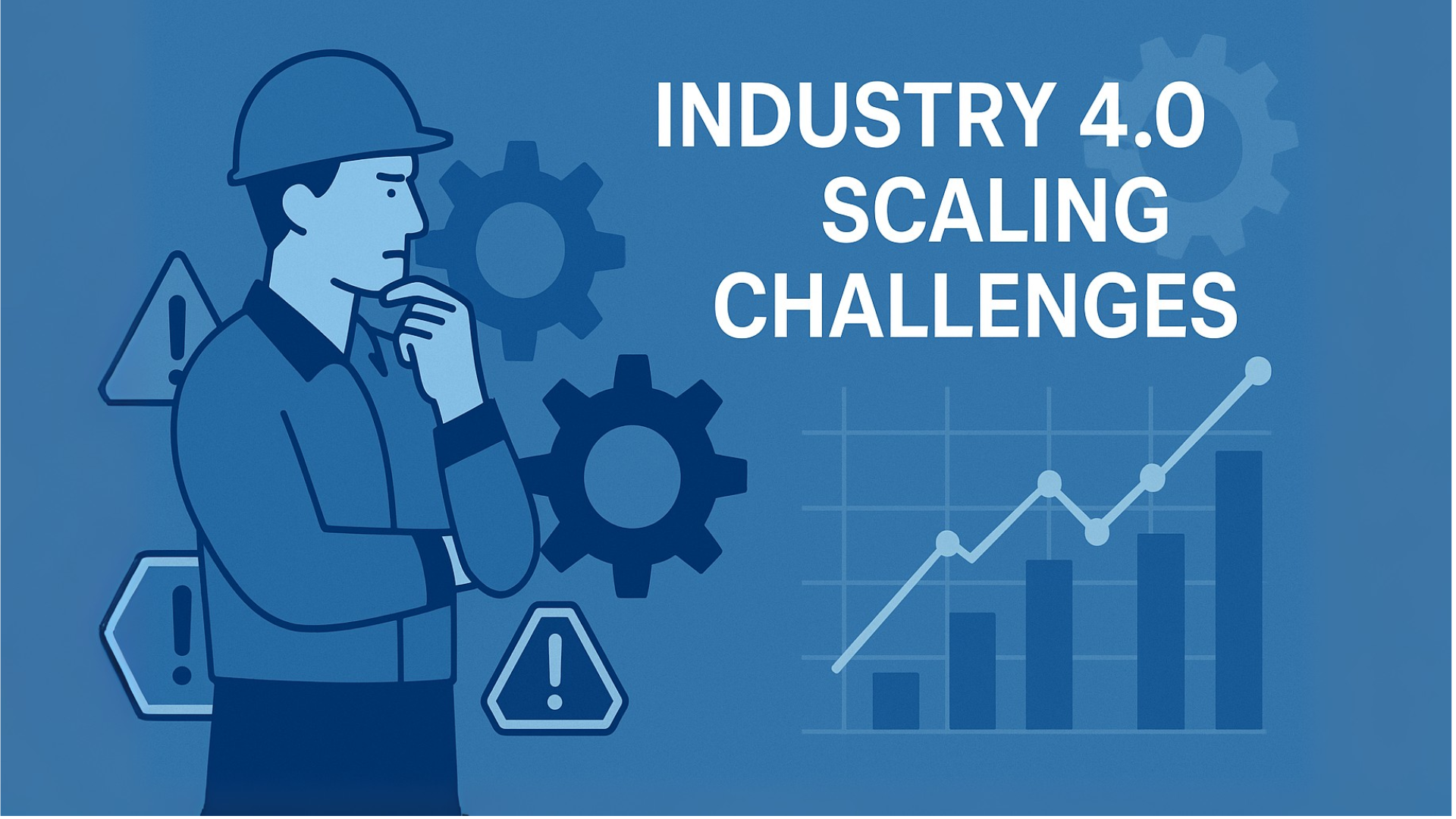
Digital transformation is reshaping manufacturing at an unprecedented pace. A recent Automation World study found that 80% of manufacturers are accelerating their adoption of smart digital platforms across supply chain management, production, and analytics functions. Moving beyond traditional spreadsheets and manual processes, manufacturers are deploying cloud-based ERP systems, AI-driven analytics, and digital twins to improve operational visibility and agility.
This shift is driven by the need for real-time data to respond swiftly to supply chain disruptions, demand fluctuations, and quality issues. Smart platforms enable manufacturers to consolidate data from multiple sources, providing actionable insights that support inventory optimization, predictive maintenance, and enhanced customer responsiveness.
However, this rapid digitalization introduces challenges. Legacy equipment integration remains a major hurdle, as many factories operate with heterogeneous machinery not originally designed for connectivity. Data silos persist, undermining the promise of end-to-end visibility. Additionally, workforce digital literacy varies widely, necessitating training and change management.
Cybersecurity risks are also heightened, with increased exposure to cyber threats requiring robust defense mechanisms. According to Automation World, manufacturers that fail to secure their digital infrastructure face higher downtime and data breach risks.
To overcome these challenges, manufacturers should prioritize modular and interoperable platforms that integrate with existing systems and scale over time. Investing in employee training to boost digital skills is equally crucial, as is implementing cybersecurity frameworks tailored for industrial environments.
In summary, while 80% of manufacturers are pushing digital transformation forward, success depends on addressing technological, human, and security challenges holistically to realize the full benefits of smart manufacturing.